Select Games to Compare

search close
search close

Select up to 2 games to compare side-by-side.

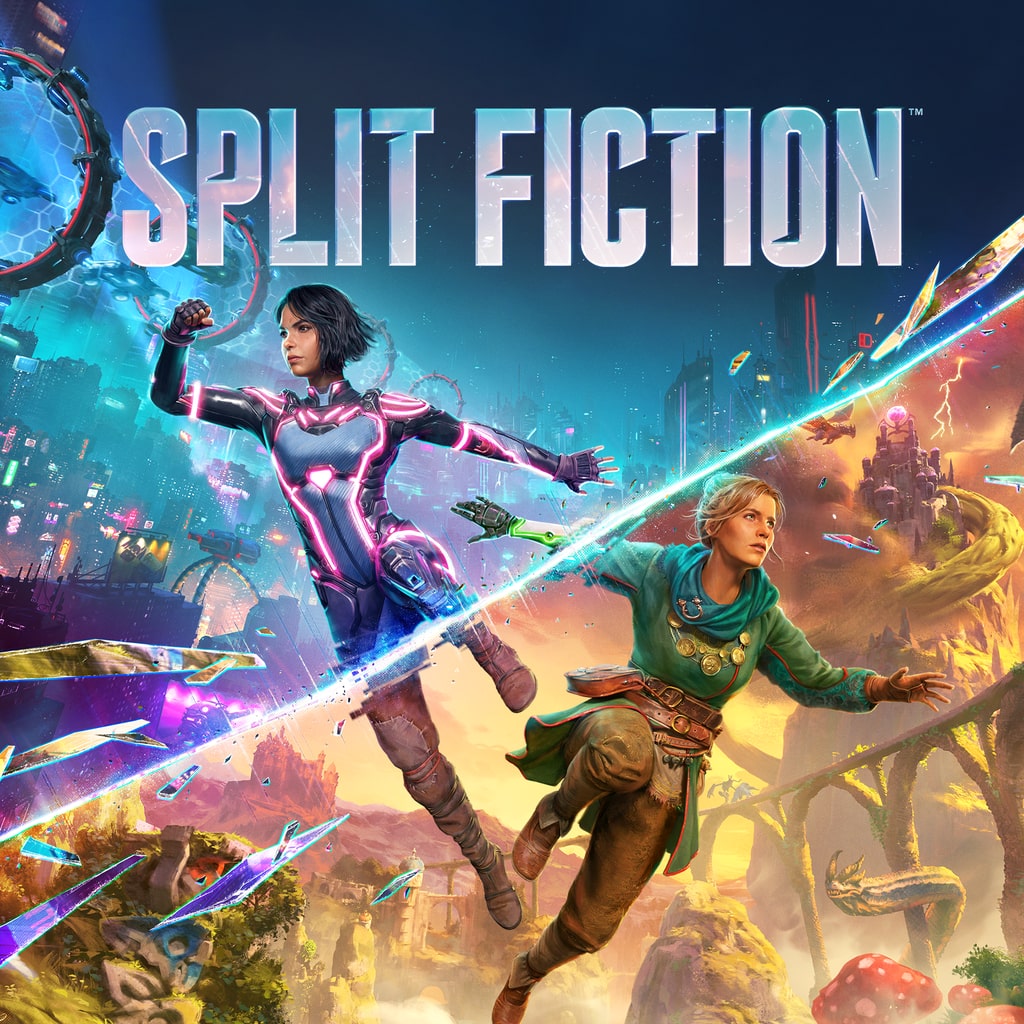
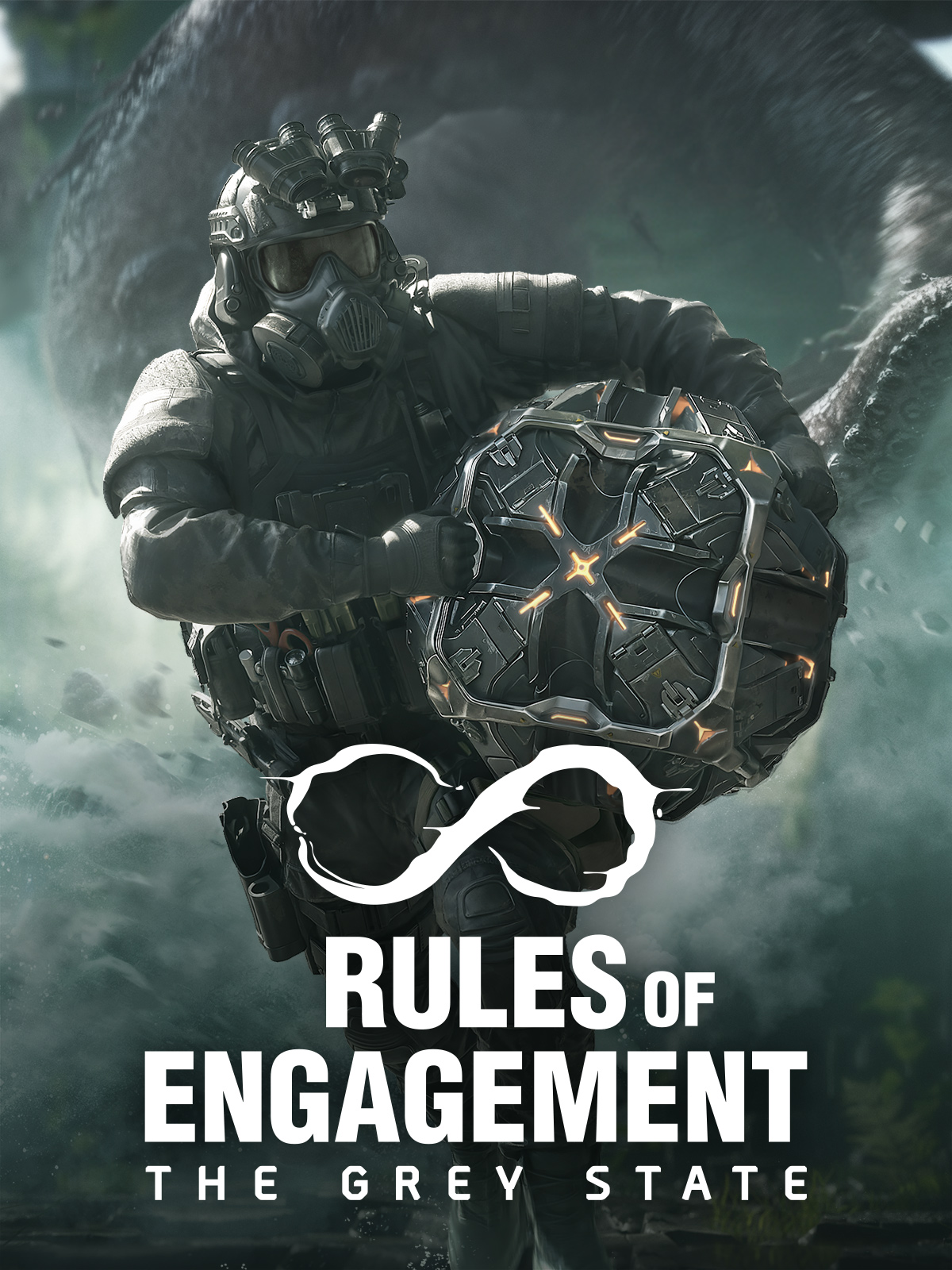
Split Fiction vs Rules of Engagement: The Grey State

close close
info General Information
Release Date
Mar 6, 2025 Sep 17, 2026
Developer
Hazelight Studios Grey State Studio (Tencent Games)
Publisher
Electronic Arts Tencent Games
Genre(s)
Action-Adventure, Co-op, Platformer, Puzzle Action RPG, First-Person Shooter, Extraction, Horror, PvPvE
Engine
Unreal Engine 5 Unreal Engine 5
stars Ratings & Price
Content Rating
T (Teen) - ESRB Descriptors: Language, Blood and G M (Mature 17+)
Avg. User Rating
4.8 / 5.0 0.0 / 5.0
Current Price (USD)
$49.99 Free
tune Key Specs
Quick Highlights
  • Perspective: Third-Person (Split-Screen)
  • Platforms: PC, PlayStation 5, Xbox Series X|S, Nintendo Switch 2
  • Gameplay Focus: Exclusively Co-op (2 Players)
  • Unique Feature: The Friend's Pass system, allowing one owner of the game to invite a friend to play the entire game for free online.
  • Perspective: First-Person
  • Multiplayer: Online Co-op & PvP (1-4 Player Squads)
  • Setting: The 'Horrorverse' / The Grey State
  • Platforms: PC (Future console release TBD)
  • Release Window: 2026
  • Unique Feature: A unique blend of a tactical extraction shooter with a deep, permanent, Path of Exile-inspired RPG skill tree, set in a Lovecraftian horror universe.
sports_esports Gameplay & Mechanics
Companions/Followers
  • Co-op Partner: The game is designed to be played by two human players. Your companion is essential for every aspect of the game, from solving puzzles and traversing the world to defeating enemies and bosses. The entire experience relies on communication and coordination with your partner.
    Human (Player)
  • Squad Mates: The game is designed for squads of 1-4 players. Teammates are essential for surviving the high-stakes PvPvE environment, combining class abilities, and successfully extracting.
    Human (Player)
Key Collectibles
  • Minigames: Hidden throughout the levels are 25 optional, competitive minigames. Finding and playing these allows Mio and Zoe to take a break from cooperating and compete against each other in short, fun challenges.
  • Alien Artifacts: The primary objective item in The Grey State. Successfully extracting these is the main goal of any run.
  • Resources: Scavenged from the environment and smaller monsters, these are used for in-match crafting and progression.
  • Gear (In-Match): Better weapons and armor looted during an expedition. This gear is lost on death.
Key Themes
  • Cooperative Gameplay
  • Friendship
  • Imagination
  • Sci-Fi vs. Fantasy
  • Overcoming Differences
  • Platforming
  • Puzzle-Solving
  • Action-Adventure
  • Tactical Shooter
  • Extraction
  • Horror
  • Cosmic Horror
  • PvPvE
  • Action RPG
  • Sci-Fi
colorize Combat & Gear
Weapons Overview
  • Contextual Abilities: Varies by Level
    The game does not have a persistent arsenal. Instead, each level grants Mio and Zoe unique, temporary gadgets and abilities tailored to that specific world's theme. For example, in a sci-fi level, one player might get a gravity bike while the other gets a plasma rifle. In a fantasy level, one might get a magic staff while the other gets a grappling hook.
  • Firearms: Varies (Shotguns, Rifles, etc.)
    A mix of realistic and experimental firearms used for fast-paced, tactical combat. The Sledge class, for example, can unlock talents for a shotgun and a recoilless rifle.
  • Flamethrower: Heavy Weapon
    The signature weapon of the Pyro class, used to incinerate enemies and control areas.
  • Melee Weapons: Varies (Sledgehammer, etc.)
    Close-quarters weapons, such as the Sledge's sledgehammer, used for brutal takedowns.
Armor / Gear Sets
  • Character Outfits: There is no armor system that affects gameplay stats. Mio and Zoe have their own distinct default outfits. Their appearance may change slightly based on the context of a level, but this is purely cosmetic.
  • Shield: A key piece of equipment for the Sledge class, used to block incoming damage from the front.
Outfits/Customization
  • Default Character Attire: Players cannot customize the clothing of Mio and Zoe. They wear their signature outfits throughout the game, which reflect their contrasting personalities.
  • Cosmetic Customization: The game's monetization is cosmetic-only. Players can customize their Strider's appearance, likely through an in-game shop and battle passes.
trending_up Progression & Upgrades
Skills & Progression
N/A

The game features a deep, permanent RPG progression system with no forced wipes. Players choose from four classes (Sledge, Pyro, Phantom, and one unrevealed) and customize them via an extensive, Path of Exile-inspired skill tree with over 100 talents. These talents are mechanics-based (e.g., faster looting, new weapon options like a shotgun for Sledge) rather than raw stat increases, ensuring a level playing field. Progression is persistent, but all players spawn into a match with a basic, blank-slate loadout.

public World & Exploration
World & Level Design
N/A

The game features multiple, large-scale maps. Gameplay is session-based, with a limited time for each incursion. The environment is dynamic and reactive, with shifting weather, unstable geometry, and hazards. The world is populated by AI factions and hostile creatures, creating a dense PvPvE experience.

Playable Vehicles
  • Contextual Vehicles: Varies by Level
    There are no persistent player-owned vehicles. However, many levels feature unique, temporary vehicles that are central to the gameplay, such as gravity bikes, a rideable sandshark, or a giant mechanical frog. These are always controlled cooperatively.
  • Helicopter: Extraction Vehicle
    The high-risk, high-reward extraction method. Players must fight for a seat on the helicopter to extract with the final 'Vertex' prize.
book Story & Characters
Main Characters
  • Mio Hudson: Playable Protagonist
    An aspiring sci-fi author who is logical, reserved, and somewhat pessimistic. She must learn to open up and work with the chaotic Zoe to survive.
  • Zoe Foster: Playable Protagonist
    An aspiring fantasy author who is energetic, imaginative, and optimistic. She sees their predicament as a grand adventure and must learn to focus to help the pragmatic Mio.
  • J.D. Rader: Antagonist
    The CEO of Rader Publishing. His desperation to find the next bestseller leads him to trap Mio and Zoe, eventually becoming the final boss of the game.
  • Sledge: Playable Class (Heavy Assault)
    The 'juggernaut' class. Specializes in frontline combat, using a shield to block damage and talents for shotguns and recoilless rifles.
  • Pyro: Playable Class (Battlefield Control)
    A 'chaotic madman' class. Uses a flamethrower, gas grenades, and incendiary bombs to control the battlefield.
  • Phantom: Playable Class (Assassin)
    A 'swift assassin' class. Focuses on stealth, flanking, and executing 'flawless' one-shot backstabs and chain kills.
  • The Hunger: Enemies
    The grotesque, infected abominations that serve as the primary PvE threat.
Example Missions
  • Main Story Chapters
    The game is divided into several chapters, each taking place in a unique new world from the writers' imaginations. The objective of each chapter is to master the new co-op mechanics presented in order to overcome the environmental puzzles and defeat the chapter's unique boss.
  • Expeditions
    The main gameplay loop. Players deploy to a map (solo or in a squad) with a limited amount of time. The mission is divided into two phases: a PvE-focused gear-up phase, and a high-conflict second phase where players can opt for a safe, early extraction or fight for the high-value 'Vertex' prize.
people Multiplayer
Multiplayer Details

The game is exclusively cooperative and can be played in two ways: local couch co-op with two controllers on a single screen, or online co-op. There are no competitive multiplayer modes. The entire experience is built for two players.

The game is a persistent online PvPvE extraction shooter. Players can queue for 'Expeditions' solo or in squads of up to four. The core loop is divided into two phases: a resource-gathering first phase and a high-conflict second phase where players can choose an early, safe extraction or fight for the final, high-value 'Vertex' prize at the main helicopter extraction.

extension Editions & DLC
Available Editions

The game was released as a single Standard Edition. There are no deluxe or special editions, and developer Josef Fares has confirmed the game will not have any microtransactions.

The game will be free-to-play. Monetization is confirmed to be cosmetic-only, with no pay-to-win elements. An in-game shop and battle passes will be available.

help_outline FAQ
Frequently Asked Questions
  • Q: Can I play Split Fiction by myself?
    A: No. Split Fiction is a co-op only game and cannot be played solo. It requires a second player, either locally on the same screen or online.
  • Q: Do both players need to own the game to play online?
    A: No. Thanks to the Friend's Pass feature, only one person needs to own the full game. They can then invite a friend, who can download the Friend's Pass for free, to play the entire adventure together.
  • Q: What kind of game is it?
    A: It is a narrative-driven action-adventure platformer that is constantly changing its gameplay. It is famous for its incredible variety and focus on creative, collaborative puzzles and set pieces.
  • Q: Is Split Fiction cross-platform?
    A: Yes, the game supports full cross-play between all released platforms (PC, PlayStation 5, Xbox Series X|S, and Nintendo Switch 2), including for players using the Friend's Pass.
  • Q: What is Rules of Engagement: The Grey State?
    A: It is a free-to-play, first-person tactical extraction shooter with deep, permanent RPG progression. Players, as 'Striders,' enter a surreal horror dimension to fight monsters and other players for valuable artifacts.
  • Q: Is it 'pay-to-win'?
    A: No. The developers have confirmed the game is not pay-to-win. All players spawn into a match with a basic loadout, and all monetization is cosmetic-only.
  • Q: How does progression work if everyone starts with the same gear?
    A: Progression is persistent and tied to a deep, Path of Exile-inspired skill tree. You don't bring in better gear, you bring in better *talents* and *abilities* that you have permanently unlocked, which define your playstyle (e.g., stealth, farming, or combat).
  • Q: What is the 'Horrorverse'?
    A: It's the game's setting concept. 'The Grey State' is a dimension that acts as a 'graveyard of nightmares,' allowing the developers to pull in monsters from diverse sources, such as Lovecraftian lore, creepypastas, and global folklore (like from the upcoming Hong Kong map).
Gameplay Video
launchWatch launchWatch
Walkthrough/Guide
launchView launchView
settings_applications System Requirements
1080p (Full HD) - Minimum (Low Preset, 1080p resolution.)
CPU: The official minimum CPU required to play the game.
CPU (Laptop): A solid mid-range laptop CPU is needed for minimum settings.
GPU: Official minimum desktop GPU.
GPU (Laptop): A mid-range dedicated gaming laptop GPU is needed.
RAM: 16GB RAM is the official minimum requirement.
Storage: An SSD is highly recommended.
memoryCPU: Intel Core i5-8400
developer_boardGPU: Nvidia Geforce RTX 1060 6GB
laptop_macCPU (L): Intel Core i7-9750H / AMD Ryzen 5 3600H or better.
laptop_windowsGPU (L): NVIDIA GeForce GTX 1660 Ti Mobile (6GB) or RTX 3050 Ti Laptop (4GB).
layersRAM: 16 GB
saveStorage (Tier): 60 GB SSD
1080p (Full HD) - Minimum (Official - Target: 1080p, 30 FPS, Low Preset) (Low Preset.)
CPU: The official minimum CPU required to play the game.
CPU (Laptop): Estimated laptop CPUs for minimum playability.
GPU: Official minimum desktop GPU.
GPU (Laptop): An entry-level dedicated gaming laptop GPU is needed for minimum settings.
RAM: 16GB RAM is the official minimum requirement.
memoryCPU: Intel Core i5-6600K or AMD Ryzen 5 2600X
developer_boardGPU: NVIDIA GeForce GTX 970 (4GB) or AMD Radeon RX 470 (4GB)
laptop_macCPU (L): Intel Core i7-8750H / AMD Ryzen 5 3600H or better.
laptop_windowsGPU (L): NVIDIA GeForce GTX 1650 Ti Mobile (4GB) or equivalent.
layersRAM: 16 GB
saveStorage (Tier): 85 GB available space (SSD Recommended)
1440p (QHD/2K) - Recommended (Official - Target: 1440p, 60 FPS, High Preset) (High Preset.)
CPU: The official recommended desktop CPU for a smooth 1440p/60FPS experience.
CPU (Laptop): A modern, high-performance laptop CPU is recommended for this tier.
GPU: Official recommended desktop GPU for 1440p High settings at 60 FPS.
GPU (Laptop): A powerful modern laptop GPU is needed for a high-quality 1440p experience.
RAM: 16GB RAM is officially recommended for optimal performance.
memoryCPU: Intel Core i7-11700K or AMD Ryzen 7 5800X
developer_boardGPU: NVIDIA GeForce RTX 3070 (8GB) or AMD Radeon RX 6700 XT (12GB)
laptop_macCPU (L): Intel Core i7-12700H / AMD Ryzen 7 6800H or better.
laptop_windowsGPU (L): NVIDIA GeForce RTX 3070 Laptop (8GB, High TGP) or RTX 4060 Laptop (8GB).
layersRAM: 16 GB
saveStorage (Tier): 85 GB available space (SSD Recommended)
1440p (QHD/2K) - Recommended (High Preset, 1440p resolution.)
CPU: The official recommended desktop CPU for a smooth experience.
CPU (Laptop): A modern, high-performance laptop CPU is recommended for this tier.
GPU: Official recommended desktop GPU for 1440p gameplay.
GPU (Laptop): A powerful modern laptop GPU is needed for a high-quality 1440p experience.
RAM: 16GB RAM is officially recommended for optimal performance.
Storage: An SSD is required for this tier.
memoryCPU: Intel Core i7-12700
developer_boardGPU: Nvidia Geforce RTX 3060 Ti
laptop_macCPU (L): Intel Core i7-12700H / AMD Ryzen 7 6800H or better.
laptop_windowsGPU (L): NVIDIA GeForce RTX 3070 Laptop (8GB, High TGP) or RTX 4060 Laptop (8GB).
layersRAM: 16 GB
saveStorage (Tier): 60 GB SSD
save Overall Storage
Spec: 85 GB available space (SSD Recommended)
Note: An SSD is recommended for faster loading times between the game's diverse and detailed levels.
Type: SSD
Spec: 60 GB available space (SSD Highly Recommended)
Note: An SSD is highly recommended for faster loading times and to handle asset streaming in the detailed environments.
Type: SSD
desktop_windows Operating System
Spec: Windows 10/11 64-bit
Explanation: A modern 64-bit operating system is required.
Spec: Windows 10 64 bit
Explanation: A modern 64-bit OS is a firm requirement.
gamepad DirectX Version
N/ASpec: Version 12
Explanation: DirectX 12 is required.
info_outline Other Game Notes
  • OFFICIAL PC SYSTEM REQUIREMENTS from the game's Epic Games Store and Steam pages. An SSD is recommended for optimal performance.
  • Laptop Performance Note: Laptop performance will vary based on the specific model's cooling and power delivery (TGP). Given the game's diverse and visually rich levels, a modern gaming laptop is advised for a stable experience.
  • Laptop Consideration: G P U T G P Impact: Total Graphics Power (TGP) is critical for laptop GPU performance. A higher TGP allows the GPU to perform closer to its desktop equivalent.
  • Laptop Consideration: Advanced Cooling Thermals: The game's constantly changing environments and mechanics can be demanding. A robust cooling system is essential to prevent thermal throttling and maintain consistent performance.
  • Laptop Consideration: C P U Performance Sustain: A strong mobile CPU is important for handling the game's physics, unique level mechanics, and ensuring a smooth co-op experience.
  • Laptop Consideration: R A M Configuration Speed: 16GB in a dual-channel configuration is recommended to avoid stuttering and ensure smooth gameplay.
  • Laptop Consideration: Display Panel G P U Pairing: Match the GPU's capability to the laptop's display. The game supports high refresh rates for a more fluid platforming and combat experience.
  • Laptop Consideration: M U X Switch N V I D I A Advanced Optimus: A MUX switch or Advanced Optimus is beneficial for reducing input latency, which is helpful for the game's timing-based puzzles and platforming.
  • Laptop Consideration: Driver Updates O S Optimization: Keeping GPU drivers updated is crucial for performance and stability.
  • Game Name: Split Fiction
  • OFFICIAL PC SYSTEM REQUIREMENTS from the game's Steam page. These specifications reflect the demands of a modern Unreal Engine 5 title.
  • Laptop Performance Note: Laptop performance will vary based on the model's cooling and TGP. As a fast-paced shooter, maintaining a high and stable framerate is crucial.
  • Laptop Consideration: G P U T G P: Maximum TGP for the laptop's GPU is essential to handle the advanced graphical features, ray tracing, and maintain high framerates.
  • Laptop Consideration: Cooling Thermals: The game's visually rich world and intense combat will require a laptop with a cutting-edge cooling solution to prevent thermal throttling.
  • Laptop Consideration: C P U Power Limits: A powerful multi-core mobile CPU will be critical for handling the complex AI of both monsters and human enemies, as well as the physics-based interactions.
  • Laptop Consideration: M U X Switch Optimus: A MUX switch or NVIDIA Advanced Optimus is a critical feature for reducing latency and ensuring the best possible performance in a competitive FPS.
  • Game Name: Rules of Engagement: The Grey State
laptop Laptop Considerations
  • G P U T G P Impact: Total Graphics Power (TGP) is critical for laptop GPU performance. A higher TGP allows the GPU to perform closer to its desktop equivalent.
  • Advanced Cooling Thermals: The game's constantly changing environments and mechanics can be demanding. A robust cooling system is essential to prevent thermal throttling and maintain consistent performance.
  • C P U Performance Sustain: A strong mobile CPU is important for handling the game's physics, unique level mechanics, and ensuring a smooth co-op experience.
  • R A M Configuration Speed: 16GB in a dual-channel configuration is recommended to avoid stuttering and ensure smooth gameplay.
  • Display Panel G P U Pairing: Match the GPU's capability to the laptop's display. The game supports high refresh rates for a more fluid platforming and combat experience.
  • M U X Switch N V I D I A Advanced Optimus: A MUX switch or Advanced Optimus is beneficial for reducing input latency, which is helpful for the game's timing-based puzzles and platforming.
  • Driver Updates O S Optimization: Keeping GPU drivers updated is crucial for performance and stability.
  • G P U T G P: Maximum TGP for the laptop's GPU is essential to handle the advanced graphical features, ray tracing, and maintain high framerates.
  • Cooling Thermals: The game's visually rich world and intense combat will require a laptop with a cutting-edge cooling solution to prevent thermal throttling.
  • C P U Power Limits: A powerful multi-core mobile CPU will be critical for handling the complex AI of both monsters and human enemies, as well as the physics-based interactions.
  • M U X Switch Optimus: A MUX switch or NVIDIA Advanced Optimus is a critical feature for reducing latency and ensuring the best possible performance in a competitive FPS.

info_outline Feature details based on available data. System requirements and performance estimates may vary.

laptop_chromebook Laptop Recommendations

Common Recommendations (Handles All Compared Games)

check_circle_outline Recommended based on listed requirements for Full HD (1080p).
ASUS TUF A15 with RTX 3050 and Ryzen 7
  • memory AMD Ryzen 7 7435HS
  • developer_board NVIDIA GeForce RTX 3050
  • layers 32GB DDR5-4800MHz
  • track_changes Target GPU: NVIDIA GeForce GTX 1650 Ti Mobile (4GB) or equivalent.
HP Omen 16 (RTX 5060 & Ryzen 9 8940HX)
  • memory AMD Ryzen 9 8940HX Processor
  • developer_board NVIDIA GeForce RTX 5060 Laptop GPU
  • layers 32GB DDR5-5200MHz
  • track_changes Target GPU: NVIDIA GeForce GTX 1650 Ti Mobile (4GB) or equivalent.

HP Victus 15 (RTX 4050 & Ryzen 7)
  • memory AMD Ryzen 7 7445HS
  • developer_board NVIDIA GeForce RTX 4050
  • layers 16GB (2x8GB) DDR5 5600MHz SO-DIMM
  • track_changes Target GPU: NVIDIA GeForce GTX 1650 Ti Mobile (4GB) or equivalent.
check_circle_outline Recommended based on listed requirements for QHD (1440p).
MSI Pulse GL66 with RTX 3070 and i7 12th Gen
  • memory Intel Core i7-12700H
  • developer_board NVIDIA GeForce RTX 3070
  • layers 32GB DDR4-3200MHz
  • track_changes Target GPU: NVIDIA GeForce RTX 3070 Laptop (8GB, High TGP) or RTX 4060 Laptop (8GB).

Acer Nitro V with RTX 4060 and i9 13th Gen
  • memory Intel Core i9-13900H
  • developer_board NVIDIA GeForce RTX 4060
  • layers 16GB DDR5-5200MHz
  • track_changes Target GPU: NVIDIA GeForce RTX 3070 Laptop (8GB, High TGP) or RTX 4060 Laptop (8GB).
Lenovo Legion Pro 5i (i9-14900HX, RTX 4060)
  • memory Intel Core i9-14900HX
  • developer_board NVIDIA GeForce RTX 4060
  • layers 32GB DDR5-5600MHz
  • track_changes Target GPU: NVIDIA GeForce RTX 3070 Laptop (8GB, High TGP) or RTX 4060 Laptop (8GB).

For Split Fiction Specifically

check_circle_outline Recommended based on listed requirements for Full HD (1080p).
ASUS TUF A15 with RTX 3050 and Ryzen 7
  • memory AMD Ryzen 7 7435HS
  • developer_board NVIDIA GeForce RTX 3050
  • layers 32GB DDR5-4800MHz
  • track_changes Target GPU: NVIDIA GeForce GTX 970 (4GB) or AMD Radeon RX 470 (4GB)
HP Omen 16 (RTX 5060 & Ryzen 9 8940HX)
  • memory AMD Ryzen 9 8940HX Processor
  • developer_board NVIDIA GeForce RTX 5060 Laptop GPU
  • layers 32GB DDR5-5200MHz
  • track_changes Target GPU: NVIDIA GeForce GTX 970 (4GB) or AMD Radeon RX 470 (4GB)
HP Victus 15 (RTX 4050 & Ryzen 7)
  • memory AMD Ryzen 7 7445HS
  • developer_board NVIDIA GeForce RTX 4050
  • layers 16GB (2x8GB) DDR5 5600MHz SO-DIMM
  • track_changes Target GPU: NVIDIA GeForce GTX 970 (4GB) or AMD Radeon RX 470 (4GB)
ASUS TUF Gaming  A16 with RTX 4050
ASUS TUF Gaming A16 with RTX 4050
  • memory AMD Ryzen 7 7445HS
  • developer_board NVIDIA GeForce RTX 4050
  • layers 16GB DDR5 5600MHz SO-DIMM
  • track_changes Target GPU: NVIDIA GeForce GTX 970 (4GB) or AMD Radeon RX 470 (4GB)
Lenovo Thinkpad T1G Gen 8 (RTX 5070 & Ultra 9)
  • memory Intel Core Ultra 9 285H (Arrow Lake-H)
  • developer_board NVIDIA GeForce RTX 5070 Laptop GPU
  • layers 64GB LPDDR5x-8533MT/s (LPCAMM2)
  • track_changes Target GPU: NVIDIA GeForce GTX 970 (4GB) or AMD Radeon RX 470 (4GB)
Dell Alienware M16 Gaming Laptop with RTX 4080
  • memory AMD Ryzen 9 7845HX
  • developer_board NVIDIA GeForce RTX 4080
  • layers Up to 64GB DDR5
  • track_changes Target GPU: NVIDIA GeForce GTX 970 (4GB) or AMD Radeon RX 470 (4GB)
LG Gram Pro 17 with RTX 5050
  • memory Intel Core Ultra 9 285H (Series 2) , 14 cores (6 Performance cores + 8 Efficient cores), 20 threads
  • developer_board NVIDIA GeForce RTX 5050 Laptop GPU
  • layers 32GB (2x16GB) DDR5 8400MHz SO-DIMM
  • track_changes Target GPU: NVIDIA GeForce GTX 970 (4GB) or AMD Radeon RX 470 (4GB)
HP OMEN Ultra Slim 16 (RTX 5070 & Intel i9)
  • memory Intel Core Ultra 9 285H
  • developer_board NVIDIA GeForce RTX 5070
  • layers 32GB (2x16GB) DDR5 4800MHz SO-DIMM
  • track_changes Target GPU: NVIDIA GeForce GTX 970 (4GB) or AMD Radeon RX 470 (4GB)
XMG Fusion 16 (RTX 5070 & Ultra 9)
  • memory Intel Core Ultra 9 275HX
  • developer_board GeForce RTX 5070 Laptop Laptop GPU
  • layers 64GB DDR5-6400MHz (Single-Channel)
  • track_changes Target GPU: NVIDIA GeForce GTX 970 (4GB) or AMD Radeon RX 470 (4GB)
Lenovo Legion Pro 5i Gen 10 (RTX 5070 Ti & Intel Core Ultra 9 275HX)
  • memory Intel Core Ultra 9 275HX
  • developer_board NVIDIA GeForce RTX 5070 Ti
  • layers 32GB
  • track_changes Target GPU: NVIDIA GeForce GTX 970 (4GB) or AMD Radeon RX 470 (4GB)
check_circle_outline Recommended based on listed requirements for QHD (1440p).
MSI Pulse GL66 with RTX 3070 and i7 12th Gen
  • memory Intel Core i7-12700H
  • developer_board NVIDIA GeForce RTX 3070
  • layers 32GB DDR4-3200MHz
  • track_changes Target GPU: NVIDIA GeForce RTX 3070 (8GB) or AMD Radeon RX 6700 XT (12GB)
Acer Nitro V with RTX 4060 and i9 13th Gen
  • memory Intel Core i9-13900H
  • developer_board NVIDIA GeForce RTX 4060
  • layers 16GB DDR5-5200MHz
  • track_changes Target GPU: NVIDIA GeForce RTX 3070 (8GB) or AMD Radeon RX 6700 XT (12GB)
Lenovo Legion Pro 5i (i9-14900HX, RTX 4060)
  • memory Intel Core i9-14900HX
  • developer_board NVIDIA GeForce RTX 4060
  • layers 32GB DDR5-5600MHz
  • track_changes Target GPU: NVIDIA GeForce RTX 3070 (8GB) or AMD Radeon RX 6700 XT (12GB)
Asus Rog Strix Scar 15 with RTX 3070 Ti and i9 12th Gen
  • memory Intel Core i9-12900H
  • developer_board NVIDIA GeForce RTX 3070 Ti
  • layers 16GB DDR5-4800MHz
  • track_changes Target GPU: NVIDIA GeForce RTX 3070 (8GB) or AMD Radeon RX 6700 XT (12GB)

ASUS TUF A15 with RTX 3050 and Ryzen 7
  • memory AMD Ryzen 7 7435HS
  • developer_board NVIDIA GeForce RTX 3050
  • layers 32GB DDR5-4800MHz
  • track_changes Target GPU: NVIDIA GeForce RTX 3070 (8GB) or AMD Radeon RX 6700 XT (12GB)
MSI Creator M16 HX with RTX 4070
  • memory Intel Core i9-14900HX
  • developer_board NVIDIA GeForce RTX 4070
  • layers 32GB DDR5-5600MHz
  • track_changes Target GPU: NVIDIA GeForce RTX 3070 (8GB) or AMD Radeon RX 6700 XT (12GB)
ASUS ROG Strix G16 with RTX 4070
  • memory Intel Core i9-14900HX
  • developer_board NVIDIA GeForce RTX 4070
  • layers 16GB DDR5-5600MHz
  • track_changes Target GPU: NVIDIA GeForce RTX 3070 (8GB) or AMD Radeon RX 6700 XT (12GB)
MSI Cyborg 15 (RTX 5050 & Intel 7)
  • memory Intel Core Ultra 7 255H
  • developer_board NVIDIA GeForce RTX 5060 Laptop GPU
  • layers 16GB DDR5-5600MHz (Dual-Channel)
  • track_changes Target GPU: NVIDIA GeForce RTX 3070 (8GB) or AMD Radeon RX 6700 XT (12GB)
HP Omen 16 (RTX 5060 & Ryzen 9 8940HX)
  • memory AMD Ryzen 9 8940HX Processor
  • developer_board NVIDIA GeForce RTX 5060 Laptop GPU
  • layers 32GB DDR5-5200MHz
  • track_changes Target GPU: NVIDIA GeForce RTX 3070 (8GB) or AMD Radeon RX 6700 XT (12GB)
ASUS ROG Strix Scar 17 Se with RTX 3080 Ti  and i9
ASUS ROG Strix Scar 17 Se with RTX 3080 Ti and i9
  • memory Intel Core i9-12950HX
  • developer_board NVIDIA GeForce RTX 3080 Ti
  • layers 32GB DDR5-4800MHz
  • track_changes Target GPU: NVIDIA GeForce RTX 3070 (8GB) or AMD Radeon RX 6700 XT (12GB)

For Rules of Engagement: The Grey State Specifically

check_circle_outline Recommended based on listed requirements for Full HD (1080p).
ASUS TUF A15 with RTX 3050 and Ryzen 7
  • memory AMD Ryzen 7 7435HS
  • developer_board NVIDIA GeForce RTX 3050
  • layers 32GB DDR5-4800MHz
  • track_changes Target GPU: Nvidia Geforce RTX 1060 6GB
HP Omen 16 (RTX 5060 & Ryzen 9 8940HX)
  • memory AMD Ryzen 9 8940HX Processor
  • developer_board NVIDIA GeForce RTX 5060 Laptop GPU
  • layers 32GB DDR5-5200MHz
  • track_changes Target GPU: Nvidia Geforce RTX 1060 6GB
HP Victus 15 (RTX 4050 & Ryzen 7)
  • memory AMD Ryzen 7 7445HS
  • developer_board NVIDIA GeForce RTX 4050
  • layers 16GB (2x8GB) DDR5 5600MHz SO-DIMM
  • track_changes Target GPU: Nvidia Geforce RTX 1060 6GB
ASUS TUF Gaming  A16 with RTX 4050
ASUS TUF Gaming A16 with RTX 4050
  • memory AMD Ryzen 7 7445HS
  • developer_board NVIDIA GeForce RTX 4050
  • layers 16GB DDR5 5600MHz SO-DIMM
  • track_changes Target GPU: Nvidia Geforce RTX 1060 6GB
Dell Alienware M16 Gaming Laptop with RTX 4080
  • memory AMD Ryzen 9 7845HX
  • developer_board NVIDIA GeForce RTX 4080
  • layers Up to 64GB DDR5
  • track_changes Target GPU: Nvidia Geforce RTX 1060 6GB
XMG Apex 16 Max (RTX 5070 Ti & Ryzen 9)
  • memory AMD Ryzen 9 9955HX
  • developer_board NVIDIA GeForce RTX 5070 Ti Laptop GPU
  • layers 64GB DDR5-5600MHz (Dual-Channel)
  • track_changes Target GPU: Nvidia Geforce RTX 1060 6GB
check_circle_outline Recommended based on listed requirements for QHD (1440p).
MSI Pulse GL66 with RTX 3070 and i7 12th Gen
  • memory Intel Core i7-12700H
  • developer_board NVIDIA GeForce RTX 3070
  • layers 32GB DDR4-3200MHz
  • track_changes Target GPU: Nvidia Geforce RTX 3060 Ti
Acer Nitro V with RTX 4060 and i9 13th Gen
  • memory Intel Core i9-13900H
  • developer_board NVIDIA GeForce RTX 4060
  • layers 16GB DDR5-5200MHz
  • track_changes Target GPU: Nvidia Geforce RTX 3060 Ti
Lenovo Legion Pro 5i (i9-14900HX, RTX 4060)
  • memory Intel Core i9-14900HX
  • developer_board NVIDIA GeForce RTX 4060
  • layers 32GB DDR5-5600MHz
  • track_changes Target GPU: Nvidia Geforce RTX 3060 Ti
Asus Rog Strix Scar 15 with RTX 3070 Ti and i9 12th Gen
  • memory Intel Core i9-12900H
  • developer_board NVIDIA GeForce RTX 3070 Ti
  • layers 16GB DDR5-4800MHz
  • track_changes Target GPU: Nvidia Geforce RTX 3060 Ti
ASUS TUF A15 with RTX 3050 and Ryzen 7
  • memory AMD Ryzen 7 7435HS
  • developer_board NVIDIA GeForce RTX 3050
  • layers 32GB DDR5-4800MHz
  • track_changes Target GPU: Nvidia Geforce RTX 3060 Ti
MSI Creator M16 HX with RTX 4070
  • memory Intel Core i9-14900HX
  • developer_board NVIDIA GeForce RTX 4070
  • layers 32GB DDR5-5600MHz
  • track_changes Target GPU: Nvidia Geforce RTX 3060 Ti
ASUS ROG Strix G16 with RTX 4070
  • memory Intel Core i9-14900HX
  • developer_board NVIDIA GeForce RTX 4070
  • layers 16GB DDR5-5600MHz
  • track_changes Target GPU: Nvidia Geforce RTX 3060 Ti
MSI Cyborg 15 (RTX 5050 & Intel 7)
  • memory Intel Core Ultra 7 255H
  • developer_board NVIDIA GeForce RTX 5060 Laptop GPU
  • layers 16GB DDR5-5600MHz (Dual-Channel)
  • track_changes Target GPU: Nvidia Geforce RTX 3060 Ti
HP Omen 16 (RTX 5060 & Ryzen 9 8940HX)
  • memory AMD Ryzen 9 8940HX Processor
  • developer_board NVIDIA GeForce RTX 5060 Laptop GPU
  • layers 32GB DDR5-5200MHz
  • track_changes Target GPU: Nvidia Geforce RTX 3060 Ti
ASUS ROG Strix Scar 17 Se with RTX 3080 Ti  and i9
ASUS ROG Strix Scar 17 Se with RTX 3080 Ti and i9
  • memory Intel Core i9-12950HX
  • developer_board NVIDIA GeForce RTX 3080 Ti
  • layers 32GB DDR5-4800MHz
  • track_changes Target GPU: Nvidia Geforce RTX 3060 Ti

info_outline Laptop recommendations are estimates based on available component benchmarks and game requirements. Actual performance may vary depending on settings, drivers, cooling, power limits, etc. Prices and availability subject to change. As an Amazon Associate, we earn from qualifying purchases.

Processing...